
Why Does Gum Recession Occur?
August 17, 2026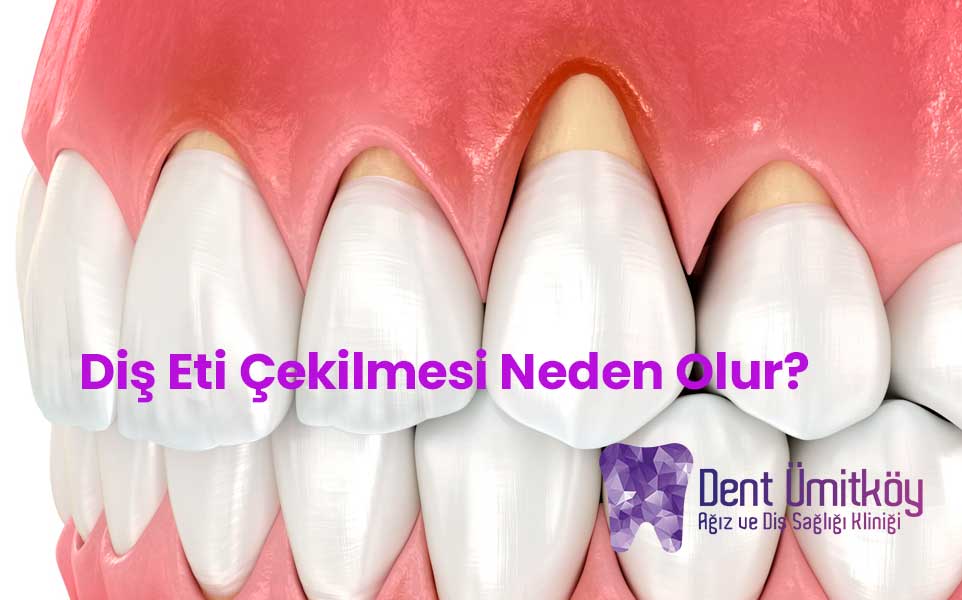
Healthy gum tissue is pink, has a texture similar to orange peel, and fits snugly around the tooth. Over time, however, environmental factors, systemic conditions, or poor care habits can cause the gum tissue to recede. Left untreated, this can lead to the loss of even healthy teeth, making it a serious periodontal issue.
Gum recession (gingival recession) is the process by which gum tissue pulls back to expose the root surface of a tooth. It progresses quietly at first; as the root surface becomes exposed, teeth appear to lengthen and severe sensitivity to hot and cold develops. Because the cementum covering the root is not as durable as enamel, exposed roots become highly susceptible to decay and wear.
Common causes include aggressive brushing techniques, tartar buildup from inadequate oral hygiene, nighttime teeth clenching or grinding (bruxism), a genetically thin gum biotype, orthodontic crowding, smoking, and hormonal or systemic changes such as pregnancy, adolescence, or diabetes.
At Dent Ümitköy, treatment is tailored to the underlying cause: deep cleaning (scaling and root planing) removes tartar with ultrasonic devices and smooths the root surface, custom clear night guards are made for bruxism-related cases, and gum grafting—using tissue taken from the palate to cover exposed roots—is used for advanced recession in aesthetic areas.
To prevent recession, soft-bristled brushes should be used, teeth brushed at least twice daily with circular motions, dental floss or interdental brushes used regularly, and routine dental checkups scheduled every six months.
Delaying treatment for gum recession can lead to jawbone loss and loose, failing teeth. With early diagnosis and the right periodontal approach, gum health can be restored.