
What Is Root Canal Treatment and When Is It Applied?
August 11, 2026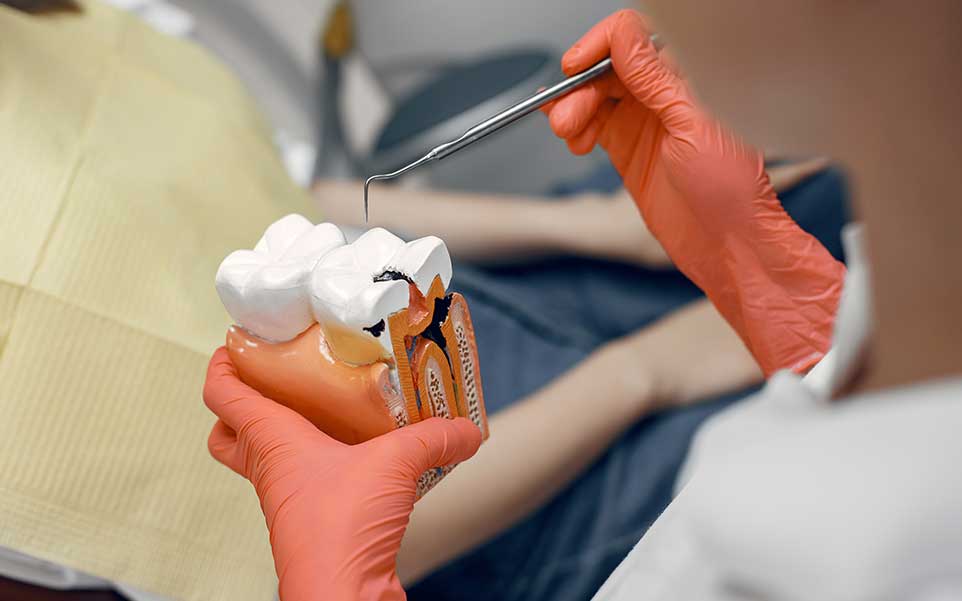
Tooth pain, which can radiate as far as the ear and temple, is among the health problems that most disrupt daily life. In such cases, the first question that comes to mind is usually whether the tooth will need to be extracted. Thanks to modern dentistry, however, the most effective way to save a natural tooth is root canal treatment (endodontics).
Root canal treatment cleans the tooth's pulp (nerve and vascular tissue) once it has become infected or reached by bacteria through deep decay. When decay or trauma reaches the pulp, the body cannot clear the infection on its own; the infected tissue is removed, the canals are sterilized and widened, and then sealed tightly with biocompatible filling material.
Not every toothache requires root canal treatment—if decay is limited to the enamel-dentin boundary, a filling may suffice. However, throbbing pain that disrupts sleep, prolonged sensitivity to hot and cold, sharp pain while chewing, gum abscesses or fistulas, tooth discoloration, and old leaking fillings are the main signs that indicate root canal treatment is needed.
At Dent Ümitköy, the treatment process includes 3D digital imaging to map root anatomy, effective local anesthesia with rubber dam isolation, canal cleaning with rotary instrument systems, precise root length measurement with an apex locator device, and laser-assisted disinfection followed by a tight seal.
Since the tooth's nerves are removed during treatment, it becomes numb to external stimuli afterward. Mild pressure sensitivity in the first few days is normal and easily managed with simple pain relievers.
Delaying tooth pain or continuously masking it with medication can allow infection to spread to the jawbone and result in tooth loss. Saving your natural tooth is a more economical and tissue-friendly solution compared to the implant or bridge treatments that might otherwise become necessary.