
Enamel Cracks
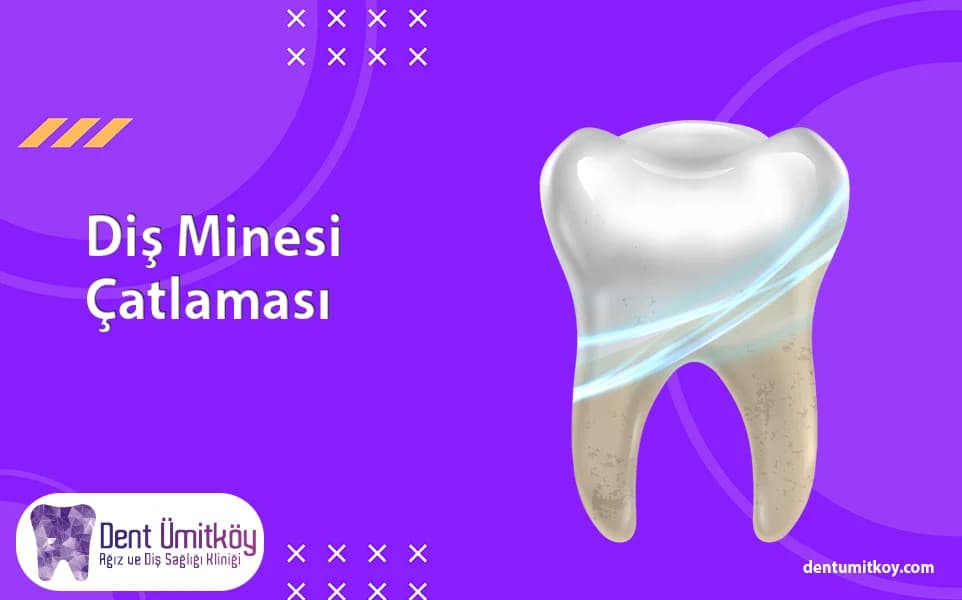
Tooth enamel is a hard outer layer that protects teeth from heat, cold, and acidic substances. Over time, trauma, hard food consumption, teeth clenching, or genetic structural issues can cause small cracks to form in this layer.
Cracked enamel does not always produce symptoms, but common signs include sensitivity to hot and cold, tooth discoloration, pain while chewing, or visibly cracked surfaces. Seeing a dentist promptly when symptoms appear helps avoid more extensive and costly treatment later.
Causes of enamel cracks include internal factors such as natural aging and genetic predisposition, as well as external factors like physical trauma, consumption of highly acidic or hard foods, and poorly maintained orthodontic appliances. Teeth grinding and clenching (bruxism), along with chronic dry mouth, are also significant contributors to enamel weakening.
Untreated enamel cracks can cause not only cosmetic concerns but functional problems as well; besides increased sensitivity, bacteria can penetrate the deeper layers of the tooth, raising the risk of decay and fracture.
Preventing cracks relies heavily on balanced nutrition, avoiding acidic and sugary foods, regular brushing, and using fluoride toothpaste. Mouthguards are recommended for athletes, while night guards help patients with bruxism.
Treatment options vary based on the severity of the crack; mild cases respond well to fluoride treatments that strengthen enamel, while more pronounced cracks may require restorative approaches such as bonding or crowns. Desensitizing toothpaste can also provide additional relief.
Enamel is a tissue that cannot regenerate itself, so a crack should not be expected to disappear entirely — the goal of regular checkups and proper care is to halt its progression.