
Dental Implants
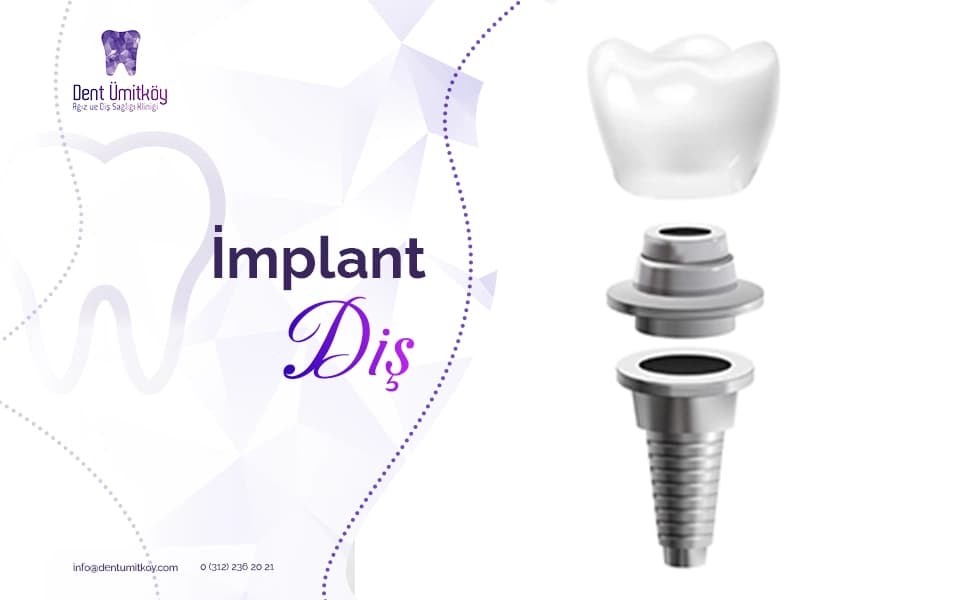
A dental implant is an artificial tooth root and crown placed to replace a tooth that has fallen out or been extracted. This treatment allows a missing tooth to be replaced with one that closely resembles a natural tooth, both aesthetically and functionally.
The procedure begins with screwing an implant into the jawbone; once the area has healed, a suitable crown is attached to the implant. Made from body-compatible titanium, implants allow patients to have teeth they can use for many years.
The gap left by a missing tooth negatively affects oral health, potentially causing eating difficulties, bad breath, and damage to neighboring teeth. Implant treatment offers a permanent solution to these problems and has a high long-term success rate.
The procedure is performed under local anesthesia, so the patient feels no pain during it; any discomfort during recovery can be managed with pain relievers. Maintaining good oral hygiene throughout the process reduces the risk of infection and supports the treatment's success.
Symptoms such as persistent severe pain in the area, the implant loosening, bone loss around it, or gum bleeding may indicate implant failure, and the patient should see a dentist without delay if these occur.
There are many implant brands and types on the market; the dentist decides which is most suitable based on the patient's jaw structure, age, general health, and expectations. The dentist's experience also plays a critical role in the success of the implant procedure.