
After Wisdom Tooth Extraction: A Detailed Guide to the Entire Process
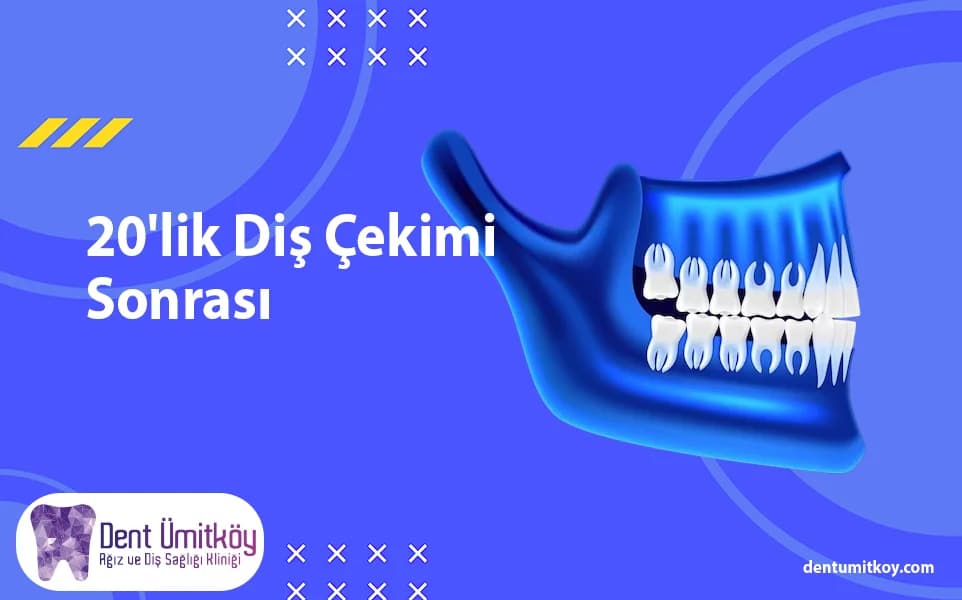
Wisdom teeth are the last four molars, typically emerging between ages 17 and 25. Because most people lack enough space or the tooth is misaligned, extraction is often necessary. Before the procedure, patients undergo an exam, usually get an X-ray, and receive instructions on anesthesia options, diet and medication.
During the operation anesthesia is administered and the tooth is removed; if it hasn't fully erupted, an incision or sectioning the tooth may be needed. In the first hours afterward, as anesthesia wears off, some pain and swelling is expected; rest and liquid or soft foods are recommended during this period.
The first day after extraction is usually the most uncomfortable, manageable with painkillers and doctor-prescribed medication. Soft foods like soup, yogurt and purees are preferred, careful brushing around the extraction site is advised, and salt water rinses typically begin after 24 hours.
From the second day on, pain and swelling start to subside; avoiding hot and hard foods supports healing. Full recovery usually takes a few weeks to a few months, though most people resume normal activities within a few days. Careful oral hygiene, adequate rest, and avoiding alcohol, caffeine and tobacco speed up recovery.
Rarely, complications such as dry socket (alveolitis), infection or nerve damage can occur and should be treated under a doctor's supervision. Overall, while the process involves pain, swelling and discomfort, it can typically be managed quickly with proper care.
Common questions include how long pain lasts, when normal eating can resume, and possible complications. Pain usually lasts a few days, normal food can typically be resumed within a few days, and full healing may take a few weeks; salt water rinses and a soft toothbrush are recommended for oral hygiene.