
Tooth Fracture Treatment in Ankara: A Guide to Rebuilding Your Smile
May 10, 2026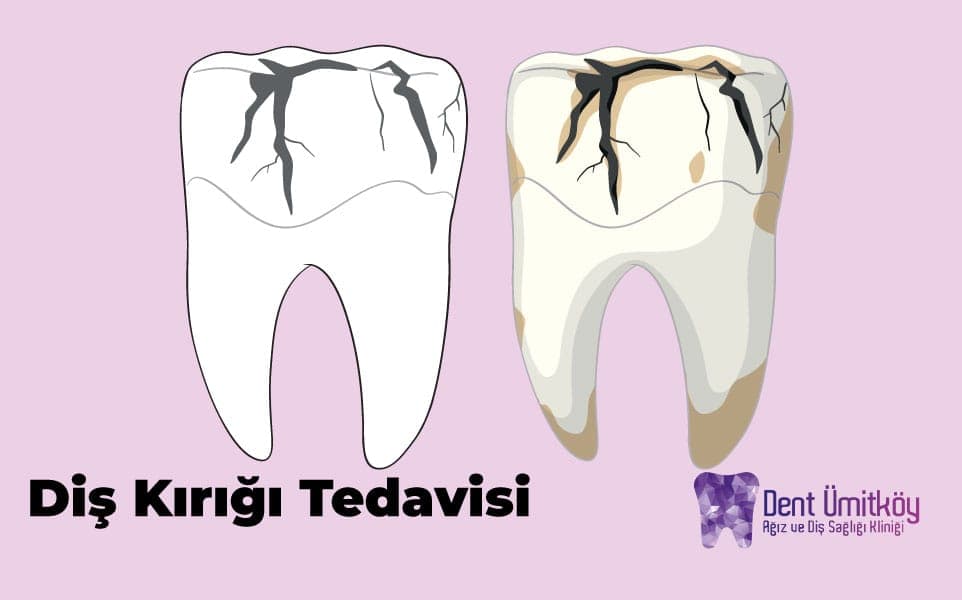
A broken tooth is more than a cosmetic flaw — it's a serious health issue that can expose the tooth's living inner tissue (the pulp) to infection. Regardless of the fracture's size, delayed treatment can eventually lead to tooth loss.
Fractures are classified by depth: painless surface craze lines limited to the enamel, small chips at the tip of the tooth, deep fractures reaching the dentin and pulp that cause severe pain, and root fractures, which usually require extraction followed by an implant.
Treatment depends on the fracture's location and depth. For small fractures on front teeth, dental bonding offers a fast, affordable single-visit solution. For aesthetic fractures, thin porcelain veneers (laminates) are often preferred. When a large portion of the tooth is lost, a zirconia or full-porcelain crown is used. If the fracture reaches the nerve, root canal treatment comes first, followed by a filling or crown; in severe cases where the tooth can't be saved, extraction followed by an implant is the most lasting solution.
Acting quickly after a tooth breaks improves the odds of a successful outcome: save the broken fragment if possible, keep it moist in milk or saliva, rinse the mouth with warm salt water, apply a cold compress externally, and see a dentist without delay.
To prevent fractures, a night guard is recommended for people who grind or clench their teeth, and a mouthguard for those playing contact sports; teeth should never be used to crack ice or bite pens and similar hard objects.
Thanks to digital scanning technology, a biomimetic approach to restoration, and fast CAD/CAM production, tooth fracture treatments today can be carried out far more comfortably and precisely.