
Endodontic Treatment in Ankara: What You Need to Know to Save Your Tooth
May 19, 2026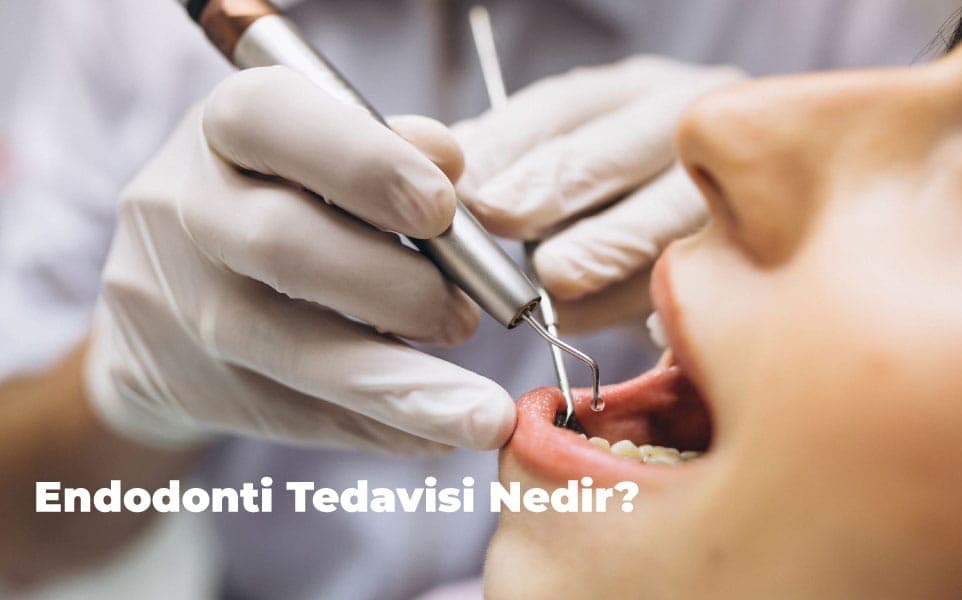
Endodontics literally means 'the study of the inside of the tooth' and is commonly known as root canal treatment. When the nerve and blood vessel tissue (pulp) at the center of a tooth becomes infected, it needs to be cleaned, disinfected, and sealed.
Signs indicating the need for root canal treatment include throbbing pain that worsens at night, prolonged sensitivity to hot and cold, darkening of the tooth's color, pimple-like swelling near the root tip, and sharp pain when chewing.
Thanks to modern digital equipment, root canal treatment is now a fairly comfortable procedure. The process begins with analyzing the root structure using 3D tomography or digital X-rays, followed by local anesthesia; the canal is then cleaned and shaped with rotary systems and nickel-titanium files, disinfected with ultrasonic irrigation or laser, and finally sealed with biocompatible gutta-percha material, topped with an aesthetic filling or zirconia crown.
The main reasons to choose root canal treatment over extraction are that chewing with a natural tooth feels more natural, it prevents the jawbone loss that follows extraction, it stops neighboring teeth from shifting into the gap, and it's more cost-effective in the long run than an implant or bridge.
What sets our clinic apart in endodontics includes an experienced team, the use of digital scanners and imaging at every stage of treatment, strict sterilization protocols, and a treatment plan tailored to each unique canal structure.
After treatment, it's important not to bite hard foods on the temporary filling, to understand that mild sensitivity is normal, to keep up regular brushing and flossing, and not to delay the permanent restoration your dentist recommends (a zirconia crown or porcelain filling) — because even a root-canaled tooth can still decay.