
Extraction of a Decayed Tooth Root
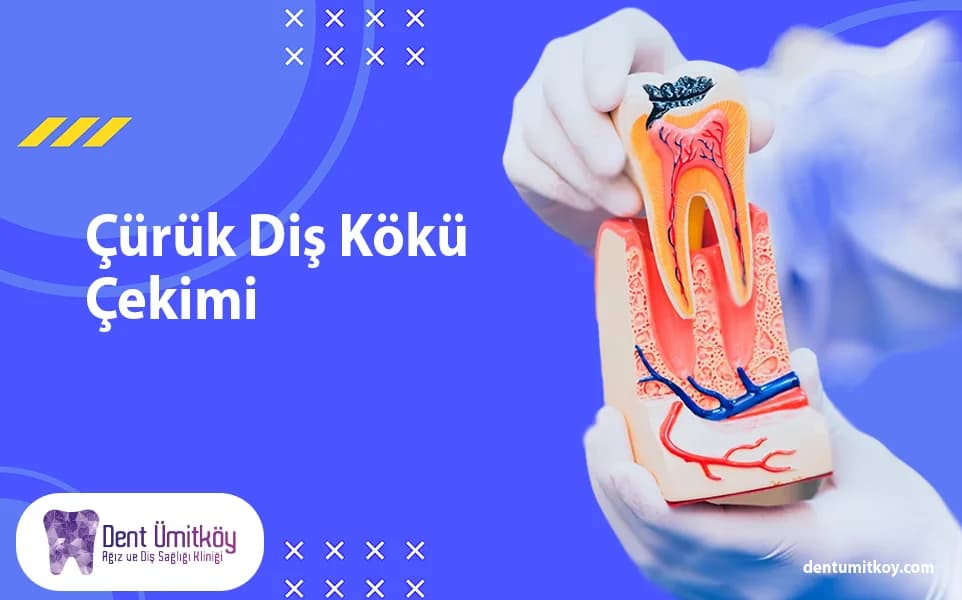
When tooth decay is not treated in time, it can reach the root and require a procedure known as decayed tooth root extraction. This procedure involves removing a damaged or infected tooth root to relieve pain and prevent the spread of infection.
The most common causes include deep cavities that penetrate past the enamel to the root, tooth fractures from accidents or trauma, and infections caused by gum disease. Skipping regular dental checkups often allows these issues to go unnoticed until they are advanced.
The procedure begins with a thorough examination and X-ray to assess the tooth's condition, followed by local anesthesia for a painless extraction. In some cases, only the root remains after the crown has broken off, which requires special techniques and an experienced dentist.
Avoiding food for the first couple of hours, staying away from very hot or cold items for 24-48 hours, applying cold compresses, and taking prescribed medication all support faster healing. Gentle brushing afterward is also important.
The fact that a decayed tooth doesn't always cause pain doesn't mean it's healthy — when the nerve is fully destroyed, the tooth can die painlessly. This is why regular checkups matter even in the absence of pain.
In summary, extraction of a decayed root is a necessary procedure for treating damaged or infected teeth. Following the dentist's post-treatment guidance and maintaining good oral hygiene significantly reduces the risk of complications.