
Teeth Whitening
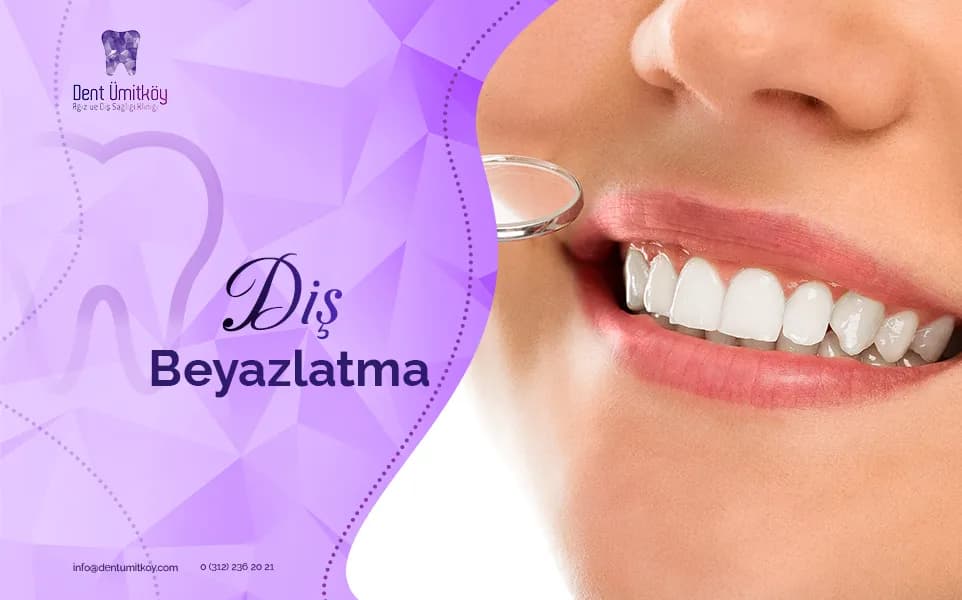
Teeth whitening covers a range of methods aimed at removing stains and yellowing from the teeth. Some methods can be applied at home, while others must be performed under a dentist's supervision. The degree of discoloration is a key factor in choosing the right approach.
Discoloration falls into two main categories: extrinsic staining, which affects the outer surface of the tooth and can often be resolved in a single session, and intrinsic staining, which is structural or disease-related, penetrates deeper into the tooth, and requires more extensive treatment. Habits like tea, coffee, and smoking, as well as side effects of certain medications, can cause yellowing.
At-home methods include whitening powders, strips, pens, specialized toothpastes, and low-dose gels. Natural remedies like baking soda and lemon may provide a temporary effect but do not produce lasting results.
In-office whitening, performed after tartar removal, typically involves one or a few sessions tailored to the patient's needs and delivers long-lasting results. Home-type whitening uses custom-fitted trays with whitening gel worn overnight, offering a more convenient alternative.
Products used in whitening treatments can cause tooth sensitivity, which is why the procedure should always be carried out under a dentist's supervision — applications done without professional guidance carry real risks.