
Dental Crowns
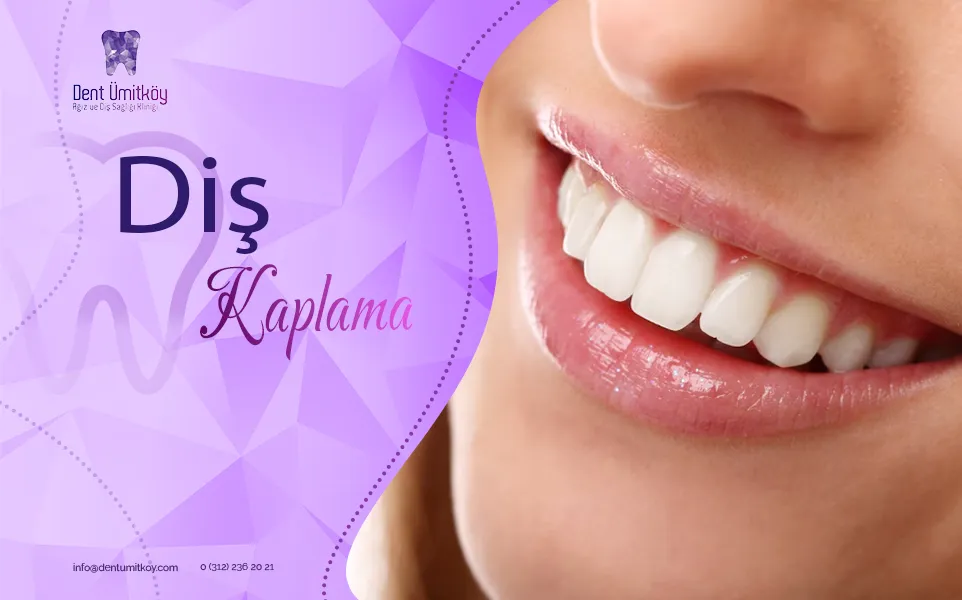
Dental crowns are a widely used method in both cosmetic and restorative dentistry. Placed over teeth or implants that have become unusable for various reasons, these crowns closely resemble natural teeth in both appearance and function.
Crowns can be produced using different materials such as porcelain, zirconium, and various crown alloys. More translucent materials are typically preferred for front teeth, while more durable materials are chosen for molars. Some materials are suitable for use across all tooth groups.
Teeth can lose function and appearance due to decay, loss, or fracture. Crowns placed after root canal treatment, fillings, bridges, or implants restore chewing and speech function while closely matching the look of natural teeth. The dentist's experience, the technology used, material quality, and clinic hygiene all significantly affect the outcome.
The crown procedure generally involves several stages: first, the patient's condition is assessed, then an impression of the area is taken so a custom crown can be manufactured in a lab. Temporary crowns may be used during production. In the final stage, the finished crown is checked, placed, and bonded.
The duration of the procedure depends on whether one or multiple teeth are being crowned, the material used, and the condition of the tooth. Shaping the tooth and taking an impression is usually done in one session, manufacturing takes about a week, and fitting the crown requires a short follow-up session.
Crown types include porcelain crowns, valued for their natural appearance but less durable for molars; metal crowns, which are strong but less aesthetically pleasing; and zirconium crowns, currently among the most popular options thanks to their combination of durability and an attractive appearance.
Dent Ümitköy successfully performs numerous crown, implant, and smile design procedures with its experienced team and up-to-date technological infrastructure.