
Does a Tooth Hurt After Root Canal Treatment?
July 6, 2026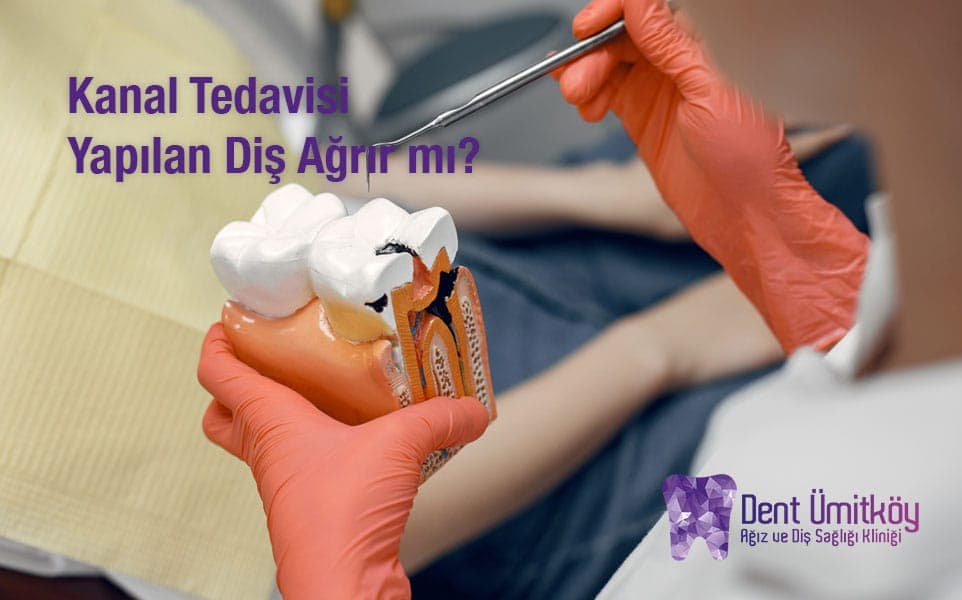
Root canal treatment is one of the most important methods for saving a tooth from extraction in cases of deep decay, fractures, or severe infection. However, one of the most common questions patients ask is whether this procedure—meant to relieve pain—can itself cause pain.
During treatment, the tooth's living nerve and vascular tissue (pulp) is completely removed, the canals are disinfected, and the space is sealed tightly with biocompatible material. Theoretically, a tooth with its nerves removed should no longer be sensitive to hot or cold or experience pain; in clinical practice, however, some patients may experience temporary or, rarely, persistent discomfort afterward.
Mild tenderness while chewing during the first 3-7 days after treatment is completely normal. This is usually due to temporary irritation of the living bone and gum tissue around the root tip caused by the cleaning instruments, or the natural healing process in teeth that had a severe abscess before treatment. This discomfort is generally well managed with mild painkillers.
However, severe pain that persists weeks or months after treatment may signal a different problem. These can include extra root canals that were missed on X-ray, underfilled or overfilled canals, cracks in the tooth from the lack of a protective crown, or the need for retreatment due to a previously unsuccessful procedure.
At Dent Ümitköy, root canal procedures are performed using computer-controlled rotary instrument systems, digital apex locators, and laser-assisted disinfection technology, minimizing the risk of post-treatment pain.
Persistent pain in a tooth that has had root canal treatment can indicate a cyst or abscess forming in the jawbone, so such pain should never be ignored — prompt consultation with a dentist is important.